

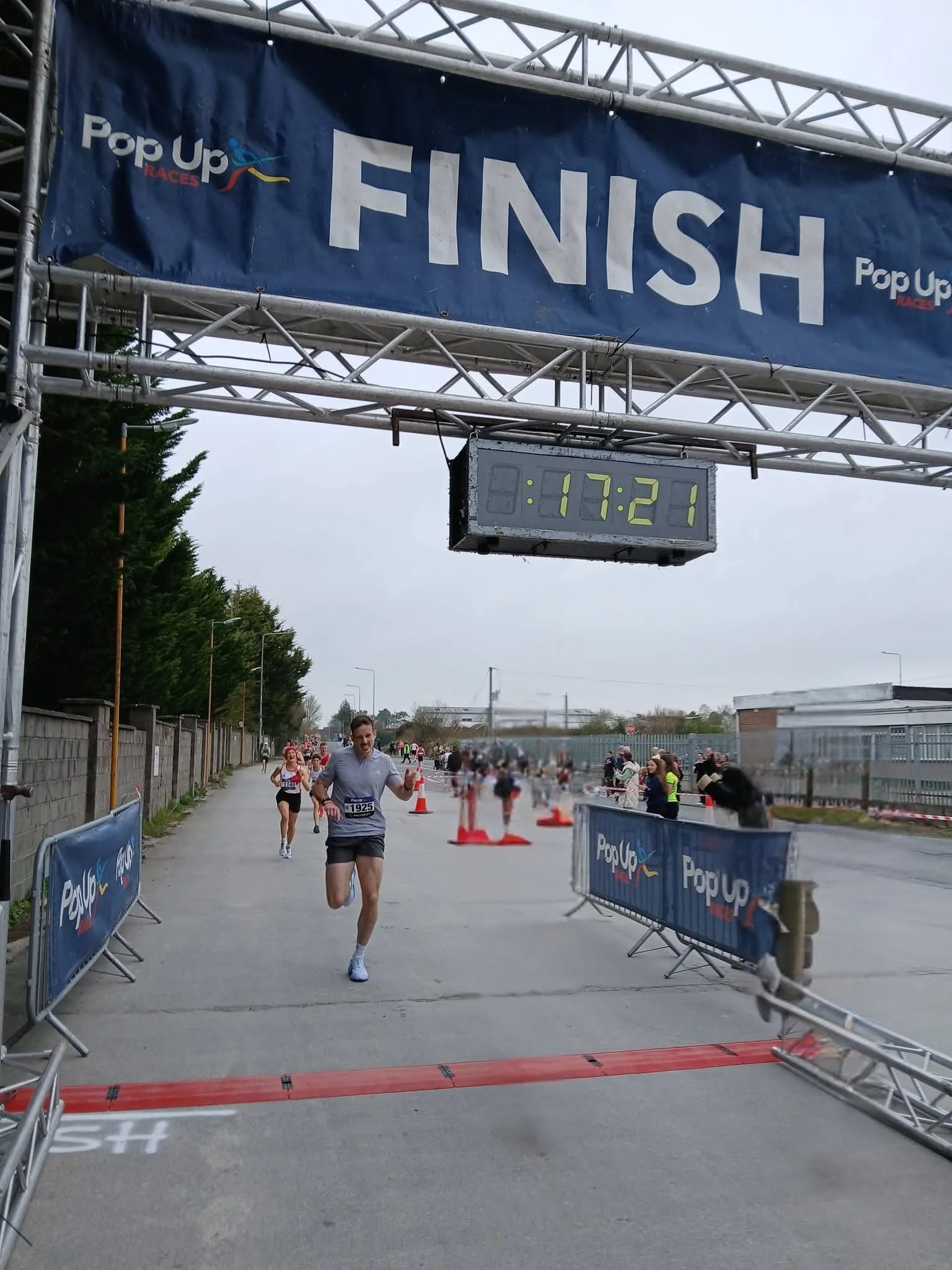
I started a new job recently.
New environment. New people. New expectations.
And naturally enough, there was doubt.
Will I be good at this?
Will I make an impact?
Do I actually know enough?
I've heard that voice plenty of times over the years.
Sport. Business. Coaching. Standing in front of a room to deliver a workshop. Walking into a new organisation. Putting something out publicly with my name attached to it.
The context changes.
The voice doesn't disappear.
But I've become better at doing something with it.
I look backwards.
Not to live in the past.
To collect evidence.
I've held different roles. I've built businesses. I've delivered workshops to rooms full of people. I've coached people who are now doing brilliantly. I've worked with teams. I've built relationships across sport, business and education.

People have trusted me with their development.
Organisations have trusted me with their people.
Teams have trusted me with their players.
Individuals have trusted me with parts of their lives they probably don't share with many people.
I've got feedback.
I've got results.
I've got experience.
I've come through difficult periods in my life and learned from them.
I've had things go well, and plenty that haven't.
And I'm still here, still learning, still moving forward.
I've got evidence.
So when the voice says, "What if you're not able for this?", I've realised I don't necessarily need to win an argument with it.
I can acknowledge it.
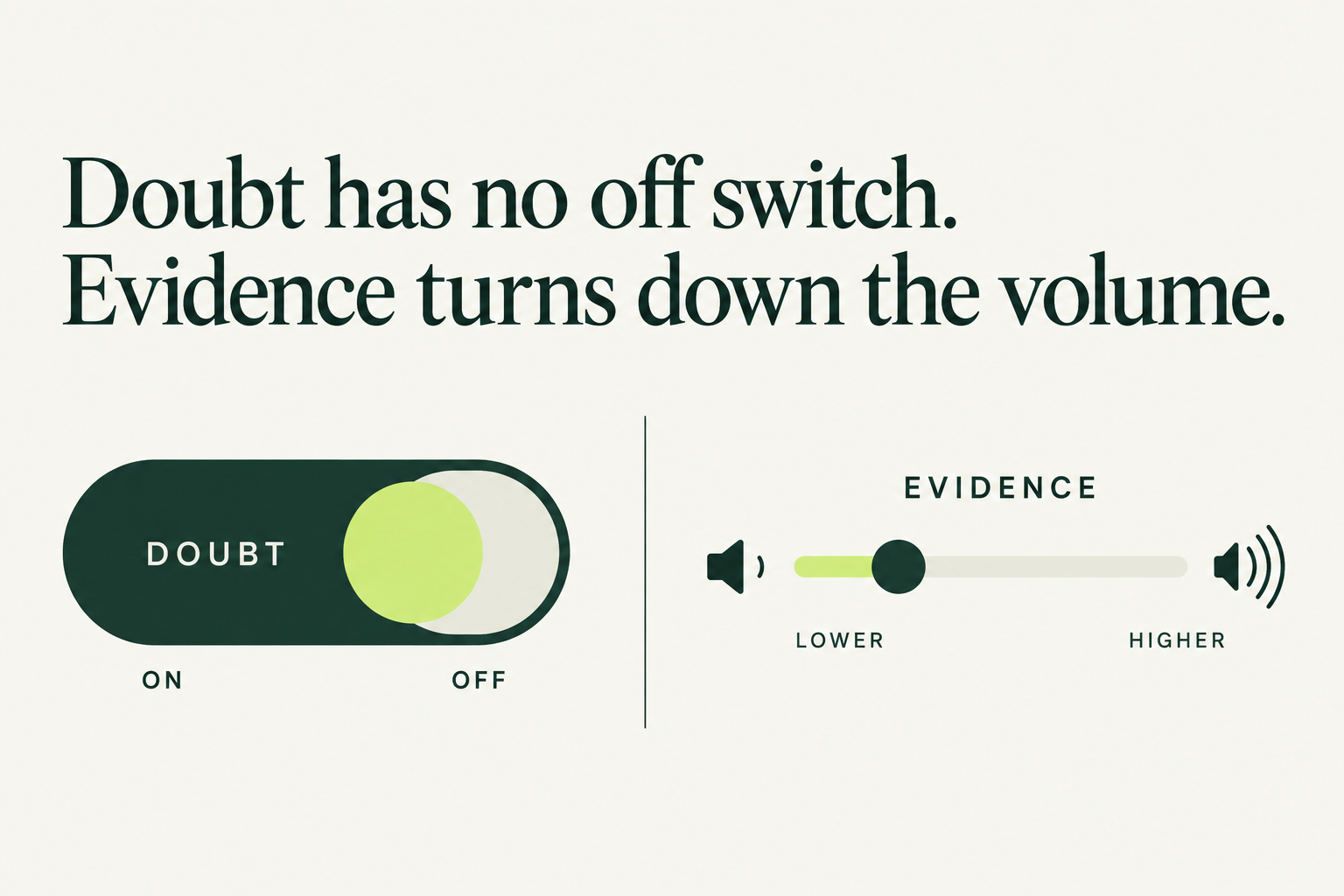
And then I can turn the volume down.
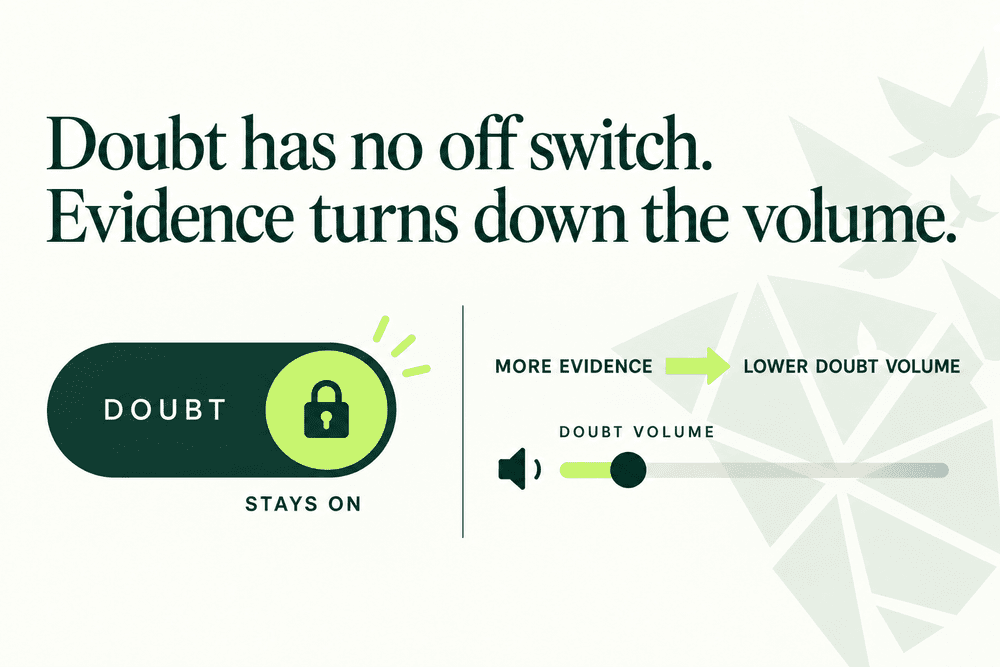
Because I don't think there's an on/off switch for doubt.
But I do think there's a volume button.
Stack the evidence
There's a concept in psychology called self-efficacy.
It was developed by psychologist Albert Bandura and, in simple terms, it's our belief in our ability to handle a particular task or situation.
It's not:
"I'm brilliant at everything."
It's closer to:
"I've got reason to believe I can handle this."
And there's a big difference.
Bandura identified a number of things that influence that belief.
Our previous experiences matter.
I've done difficult things before.
Seeing somebody we relate to succeed can matter.
If they can do it, maybe I can too.
The people around us matter.
Someone I respect believes I'm capable of this.
Even how we interpret what's happening in our body can matter.
A racing heart before a big moment could mean:
I'm not ready for this.
Or:
This matters to me. My body is getting ready.
Same heartbeat.
Different story.
But the one that really resonates with me is our own lived experience.
Psychologists call them mastery experiences.
I prefer:
Evidence.
Every difficult thing you've already navigated becomes another piece of evidence.
Every setback you've recovered from.
Every conversation you were terrified of having but eventually had.
Every room you once felt you didn't belong in.
Every skill you can do almost automatically today that once felt impossible.
We spend so much time measuring the gap between where we are and where we want to be that we forget to measure the distance we've already travelled.
So every now and again:
Turn around.
Look at how far you've come.
Stack the evidence.
That doesn't mean the doubt disappears.
I'm not sure it ever completely does.
Maybe the difference with people who consistently perform isn't that they've somehow eliminated self-doubt.
Maybe they've just become better at turning down the volume.
Here’s the slightly uncomfortable truth. I’m very good at doing hard shit I already know how to do. Give me a start line, a finish line and something physical to suffer through, and I’m grand. Ask me to slow down, admit I’m hurt or have a conversation I’ve been avoiding? Different story.
Then Jimmy Carr got me thinking...
I absolutely love Jimmy Carr.
I heard him make a point recently that stuck with me.
He questioned how many of the problems we experience mentally might have a physical component.
How much better might we feel if we consistently looked after some of the basics?
Sleep.
Food.
Exercise.
Movement.
Getting outside.
Connection.
And there's a lot of sense in that.
I'm a massive believer in exercise.
I've spent most of my life involved in sport, and the benefits I've gotten from it go far beyond physical fitness.
But the more I thought about what Jimmy said, the more I started thinking about the other side of it.
Because exercise isn't particularly difficult for me.
Before anyone gets the wrong idea...
I am by no means an exceptional runner.
There are absolute levels to running.
Plenty of people could make me look like I'm standing still.
That's not the point.
The point is that running is familiar to me.
Training is familiar.
Physical discomfort is familiar.
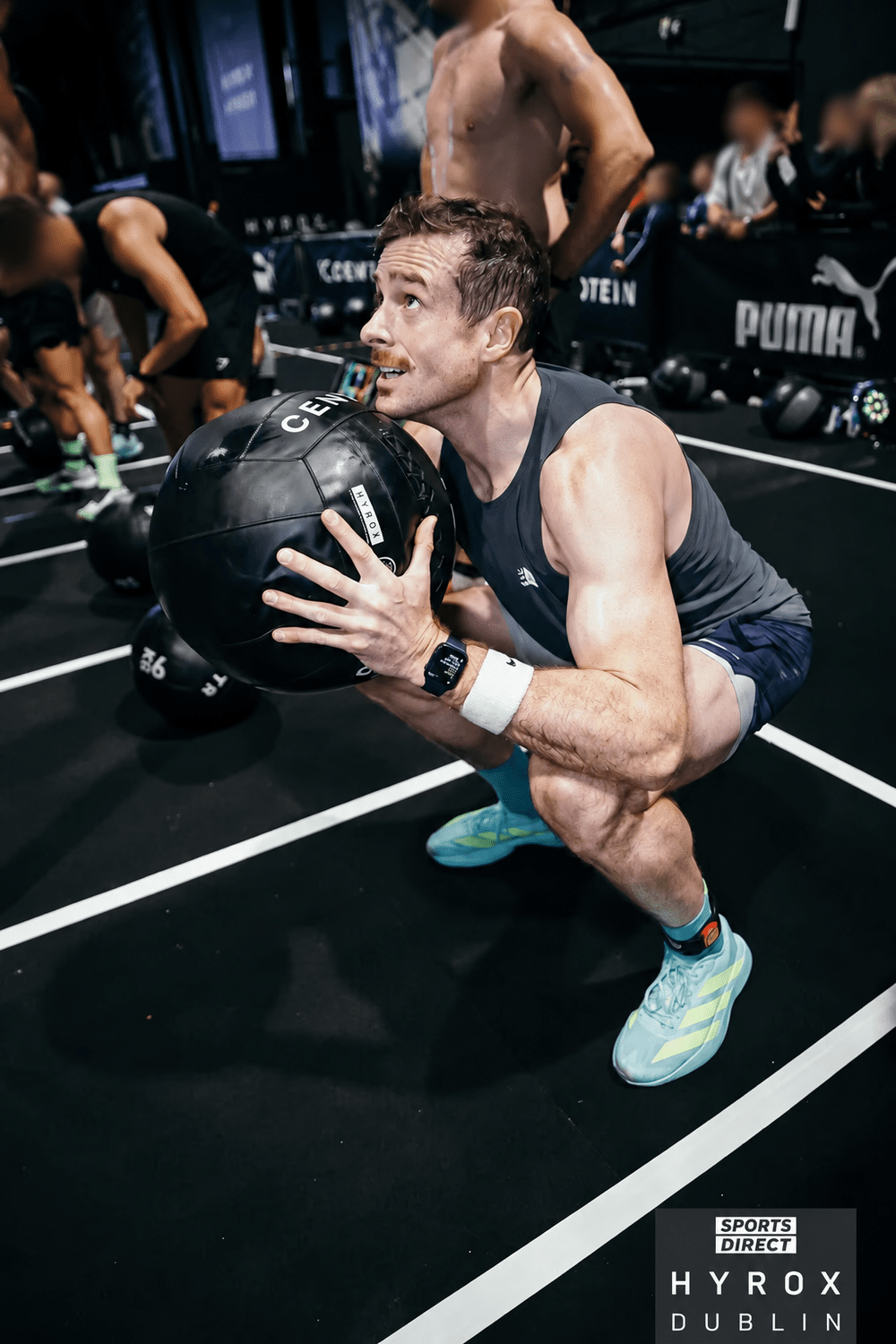
I've spent most of my life in sporting environments.
Give me a physical challenge and I understand the rules.
Work.
Push.
Keep moving.
Don't quit.
I've accumulated decades of evidence that tells me I can operate there.
Which has forced me to ask myself a slightly uncomfortable question.
Am I doing hard things, or the hard things I'm already good at?
We hear it constantly in the performance world.
Do hard things.
Run further.
Lift heavier.
Get into the cold water.
Train when you don't feel like it.
Push yourself.
Embrace discomfort.
I've probably subscribed to that mentality for most of my life.
And there's absolutely value in it.
But recently another concept has intrigued me.
Soft discipline.
Not soft standards.
Not taking the easy option.
And certainly not an excuse to avoid difficult things.
I'm talking about having enough self-awareness to recognise that discipline doesn't always mean more.
Sometimes discipline might mean backing off.
Recovering.
Going for the easy run when your ego wants the hard session.
Sleeping.
Saying no.
Leaving something in the tank.
Putting the phone down.
Making time for the people who matter.
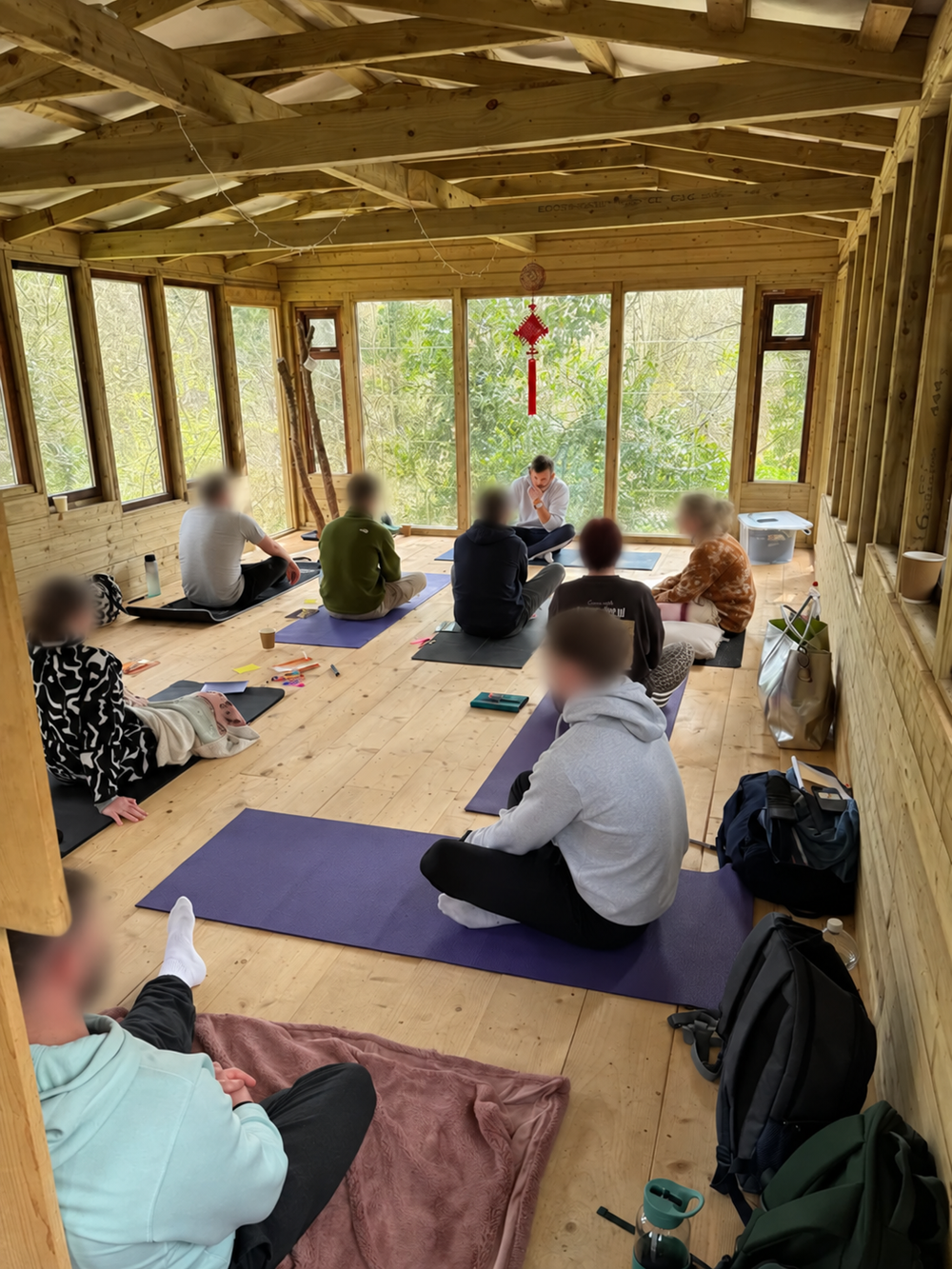
Sitting still.
Writing.
Having the conversation.
I've spent years associating discipline with my ability to push.
I'm starting to realise there's discipline in knowing when not to push too.
And that's harder for me.
Because I know how to suffer physically.
I'm comfortable being uncomfortable there.
But ask me to sit quietly and properly examine why something has upset me?
That's harder.
Ask me why somebody's comment triggered a reaction?
Harder.
Ask me what's actually underneath the reaction?
Harder.
Am I angry?
Or am I actually hurt?
Embarrassed?
Insecure?
Afraid?
Rejected?
That’s a different type of workout.